

Advanced Breast Imaging with SOFIA 3D Ultrasound
Experience faster, more comfortable whole-breast imaging designed to support clearer evaluation in dense breast tissue — without compression or radiation.
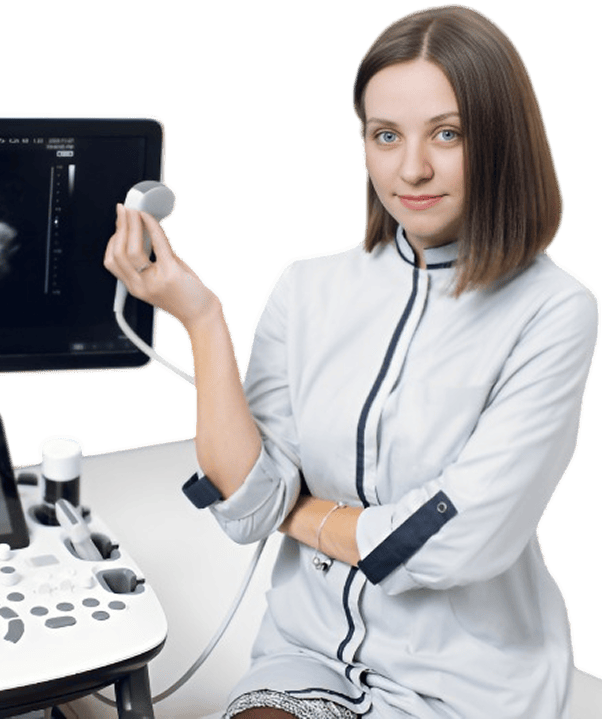
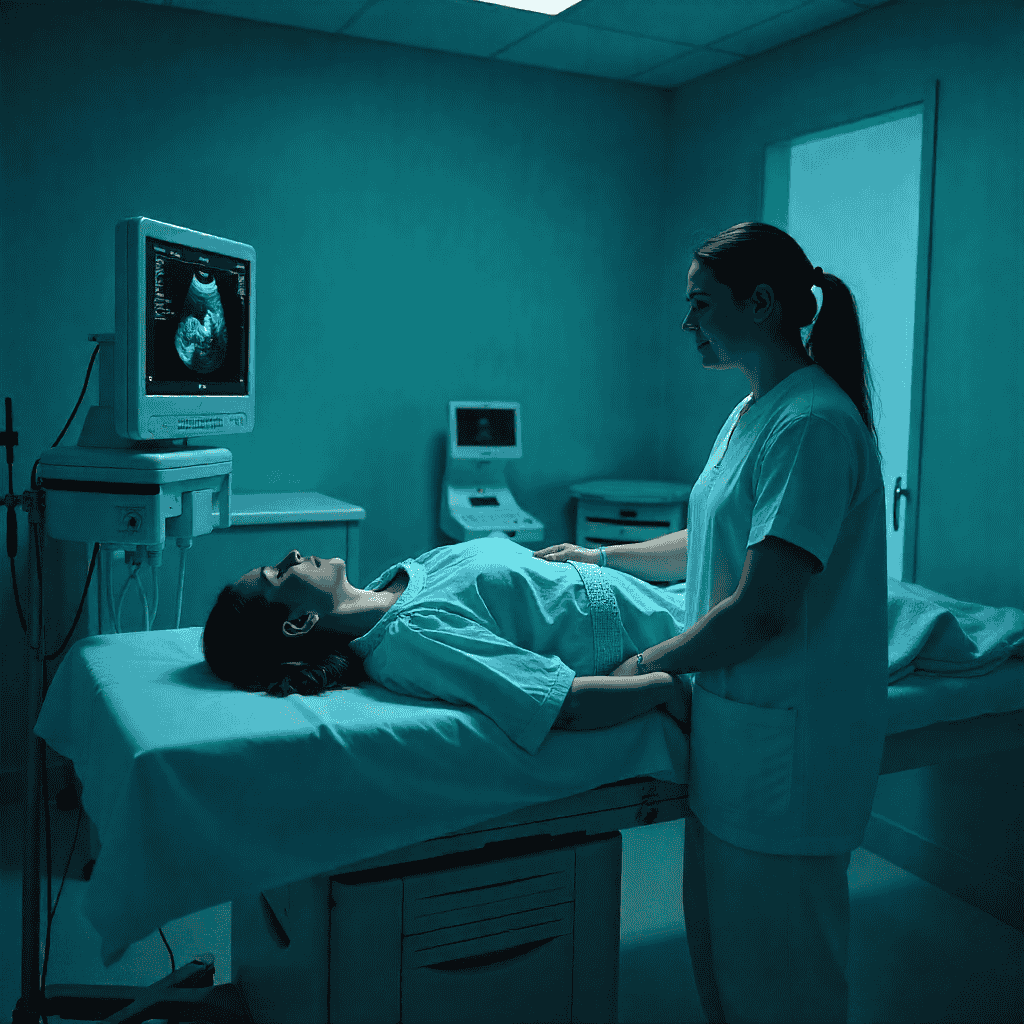
Now in NJ — SOFIA 3D Whole Breast Ultrasound
SOFIA is a 3D whole-breast ultrasound system designed for the 40% of women with dense breast tissue. Using safe sound waves (no radiation), it creates detailed images and is often used as a second-step evaluation for breast lumps or following a mammogram or breast MRI.
The system scans the entire breast in a comfortable face-down (prone) position, with the table acting as the probe—no compression needed. Each breast is scanned in 30 seconds using 3D volumetric imaging.
- No compression and no radiation
- Comfortable prone positioning with patient fully covered
- Minimal preparation: loose clothing, gown provided
Harding Radiology is NJ’s first to offer SOFIA for advanced imaging of dense breast tissue.
Understanding Dense Breasts & Supplemental Screening
The Genius exam lets doctors view breast tissue page by page, ensuring no detail is hidden.
What Does It Mean To Have Dense Breasts, And Why Is This Important?
Breasts are composed of glands, fibrous tissue, and fat. Women with dense breasts have a higher proportion of fibroglandular tissue and less fat. On a mammogram, fatty tissue appears dark, while dense tissue appears white — the same color as cancer — making tumors more difficult to detect. Breast density cannot be felt and is determined only by a radiologist reviewing mammogram images. Dense breasts are normal and often become less dense with age or after menopause. Because dense tissue can mask cancer, a mammogram may appear “normal” even when cancer is present, making it important to understand your breast density for accurate evaluation.In women over 40 who undergo screening mammography, an additional breast ultrasound may be recommended when a lump, swelling, or dense tissue is present, because dense areas are harder to fully evaluate on mammograms alone.
Who can have a Genius™ 3D Mammography™ exam?
Dense breast tissue is common, affecting about 40% of women of mammography age. It can reduce the accuracy of mammograms and sometimes cause cancers to be missed. In addition to making detection more difficult, dense tissue is also a recognized risk factor for breast cancer. For this reason, many states require that women be informed about their breast density and advised on supplemental screening options.Research shows that adding advanced imaging — such as 3D whole-breast ultrasound — can significantly improve cancer detection, increasing it from 78% to 92% in women with dense breasts. Breast ultrasound can also help determine whether an abnormality is solid (which may be benign or cancerous), fluid-filled such as a cyst, or a combination of both. Doppler ultrasound may be used to assess blood supply in breast lesions, providing even more useful diagnostic information.
Does Dense Breast Tissue Increase Cancer Risk, And How Can Advanced Imaging Help?
Dense breast tissue not only increases the risk of developing breast cancer but also makes tumors harder to see on standard mammograms. Supplemental imaging techniques, such as 3D whole-breast ultrasound, provide a clearer evaluation. This technology scans the entire breast while the patient lies comfortably in a face-down position. The exam requires no compression or radiation and produces fast, detailed 3D images for the radiologist to review.By revealing abnormalities that may be hidden on mammography — especially in women with dense glandular and connective tissue — this advanced imaging supports earlier and more confident detection. The scan takes only about 30 seconds per breast and helps radiologists interpret results with greater clarity and assurance, thanks to the improved visibility of dense breast tissue.
Schedule Your 3D Breast Ultrasound Appointment Today
Call us now to speak with our team or book your appointment online at HardingRadiology.com by clicking the Appointment button. Advanced 3D breast imaging with expert, compassionate care.